Rybárstvo.sk started out as a map of fisheries. We wanted anglers to find out in one place exactly where a fishery lies, who manages it and which rules apply there. Over time we added pages for rivers and reservoirs, fishing conditions, water levels, a bottom model, a fish catalogue, guides to the fishing law, competitions and a catch leaderboard. One thing was missing: a place for longer writing. That is why we are starting this blog.
What you will find on the portal today
- Map of fisheries: carp and salmonid fisheries, reservoirs, gravel pits and streams, each with a short card. Officials of SRZ organisations add and correct fishery locations directly on the portal, so the map becomes more accurate every week.
- Fishery page: the fishery number, the organisation that manages it, its area, the fish caught there and today's fishing conditions. For reservoirs also a three-dimensional model of the bottom.
- Fish catalogue: all species of fish and lampreys from the fisheries decree with the minimum size, the closed season and the water temperature at which the fish are most active.
- Guides: the fishing law in plain language, knots, tackle and first steps for beginners.
- Competitions and the catch leaderboard: competitions with registration and live results, and catches recorded by anglers from all over Slovakia.
Where the data come from
The portal does not make anything up: it combines data from public sources and states where each piece comes from. The lists of fisheries and organisations come from the Slovak Anglers' Union and its local organisations. Water levels, discharges and water temperature come from the stations of the Slovak Hydrometeorological Institute. Terrain and historical maps are provided by the National Geoportal, satellite images by the Copernicus programme and the weather forecast by meteorological models. How the fishing conditions are calculated from all this is described in detail in the methodology.
Where data are missing or only estimated, we say so right next to them. An honest “we don't know” is better than a precise-looking number that is wrong.
Why a blog
Data about water, weather and rules matter, but angling is also about experience. About how a particular reservoir behaves in spring, when the water starts to warm up. About how to start fly fishing when you don't know anyone nearby who does it. About how to organise a competition for children so that they look forward to it next year too. Things like that don't fit into a table, so we will write about them here.
Articles are divided into five topics:
- Portal news: what is new and how to use it.
- Guides and tips: practical how-tos that do not fit into a short guide.
- Fisheries and waters: interesting facts about reservoirs, rivers and their surroundings, the history of dams and what lies beneath the surface.
- Fish and nature: about fish species and everything an angler meets by the water, from waterbirds to plants on the bank.
- Stories from the water: readers' experiences and adventures.
Write your own article
We don't want to write the blog alone. The best writing about angling comes from people who have spent their weekends by the water for years. If you have had an interesting day by the water, have a proven method or know a fishery few people know about, write about it. All you need is to sign in and fill in the Write an article form. You can also add one photo of your own.
We read the text before publishing it. We fix typos or add a subheading where needed, but we do not change the meaning. When the article is published, we will send you an email and your name will appear under the article.
Three requests
- Write about your own experience in your own words. We do not publish texts copied from other websites or from books.
- Protect the fishery. Do not publish exact spots whose disclosure would harm the fish, such as spawning grounds or wintering areas, nor methods that get around the fishing rules.
- Use your own photos. If other people are in them, they should agree to publication.
We do not publish advertising, links to online shops or insults. Criticism is fine as long as it is factual. If you dislike something on the portal or miss something, write to us via the Operator and contact page. Many things on the portal today came from anglers' suggestions.
How to follow us
New articles appear on the Blog page, and under each article there are links to more texts on the same topic. We will keep adding to the blog: about portal news, the season on the fisheries and the things anglers ask us about most often.
We look forward to your articles. Tight lines!
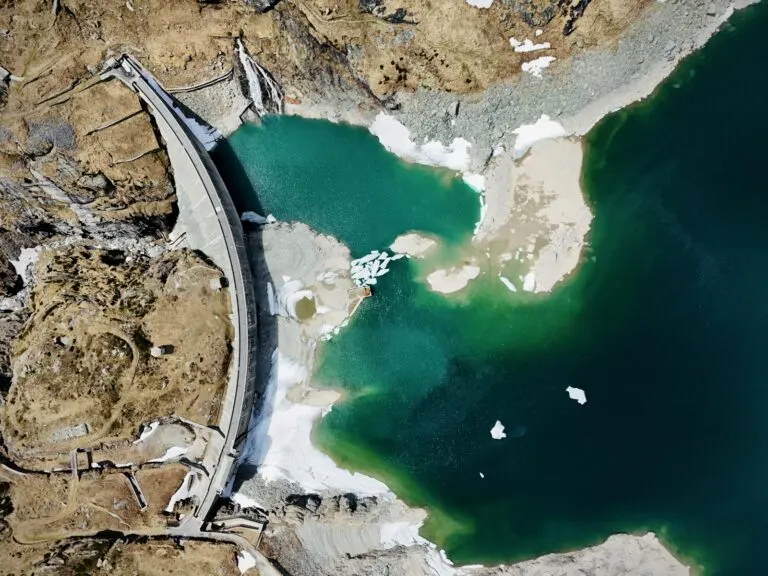
Cover photo: dominik hofbauer, Unsplash (Unsplash License)
More articles
 Portal newsCompetitions on the portal: registration, entry fees and live resultsOrganising a competition? Publish it on the portal for free, take registrations and have the results calculated right by the water. · 3 min read · Redakcia Rybárstvo.sk
 Guides and tipsHow to use the portal to find out whether it is worth going fishing todayConditions score, water temperature, water levels and the law today: what each figure means and how to read them together. · 3 min read · Redakcia Rybárstvo.sk
 Fisheries and watersReservoir bottoms and entire rivers in 3D: what you will see in the modelHow the bottom model is made, why it can be trusted more for some reservoirs and what the Fish, Geology and flow modes show. · 3 min read · Redakcia Rybárstvo.sk
Have your own story from the water or a proven method? Write it up and we will publish it under your name.
Leave a comment