
In § 13, Decree No. 381/2018 of the Slovak Ministry of the Environment on fisheries divides fish into native species, invasive non-native species and non-native species with a negative impact on nature. Invasive species reached our waters from other continents or river basins and spread at the expense of native fish: they compete with them for food and shelter, eat their eggs and fry, and some carry diseases. That is why it is good to know them and what to do with them.
Which species the decree lists as invasive
Invasive non-native species include gobies (round goby, bighead goby, racer goby and monkey goby), black and brown bullhead, pumpkinseed, topmouth gudgeon and Chinese sleeper. Most of them are small fish that anglers catch mostly by accident, for example on a ledger or a float rig while fishing for coarse fish.
Pumpkinseed
It comes from North America and reached Europe as an ornamental fish. It has a deep, laterally compressed body, an orange to yellow belly and blue-green wavy lines on the head. The best feature is a dark spot at the end of the gill-cover flap with a striking red or orange edge. It lives in warm still and slow-flowing waters with vegetation, and the males guard nests in the shallows. It eats small animals as well as the eggs of other fish.
Black bullhead and brown bullhead
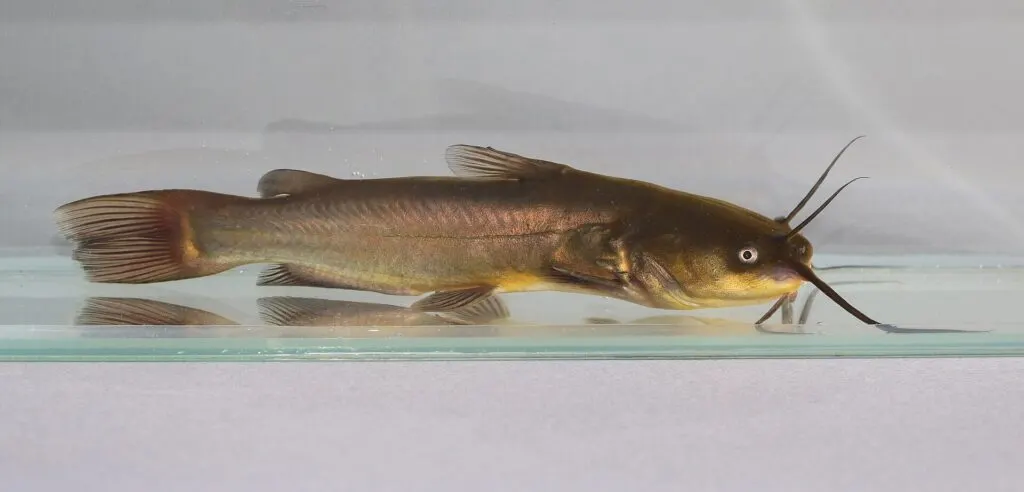
Both species come from North America. You can recognise them by the eight barbels around the mouth, the bare skin without scales and a small adipose fin on the back in front of the tail. Unlike the native wels catfish, they have a short body and a tail fin separate from the anal fin. They tolerate a lack of oxygen, live in shoals and have overpopulated some reservoirs and oxbows. Watch out for the spines in the pectoral and dorsal fins: a prick hurts.
Topmouth gudgeon
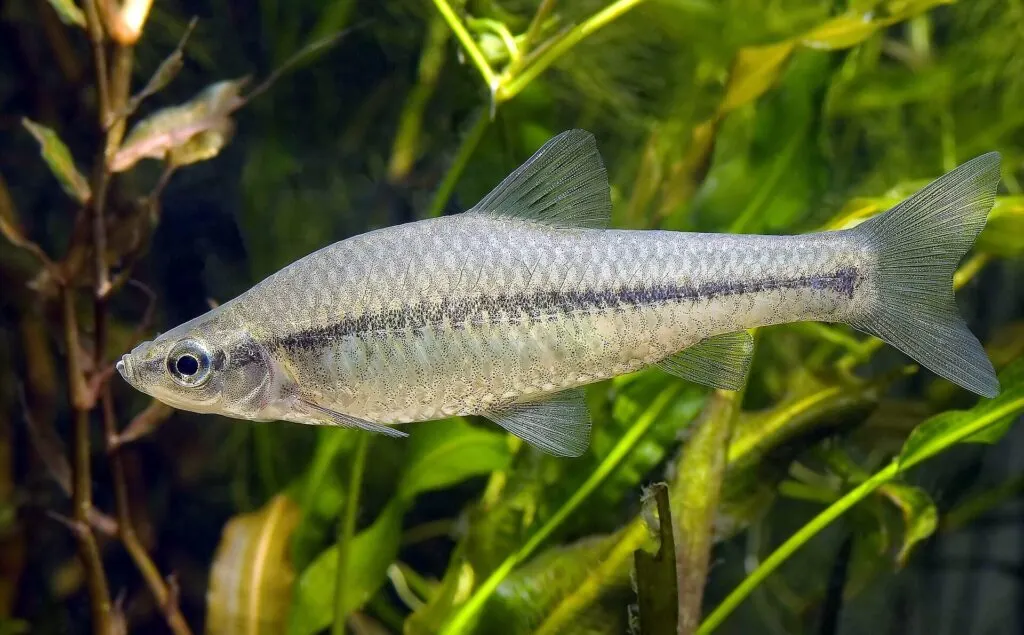
A small fish from East Asia that reached Europe together with herbivorous fish imported for stocking. It rarely grows beyond ten centimetres. It has an upturned mouth, a dark longitudinal stripe along the side and scales with dark edges that look like a net. It spawns several times a season and quickly colonises new waters. It is known as a carrier of a parasite that harms native cyprinid fish.
Gobies and Chinese sleeper
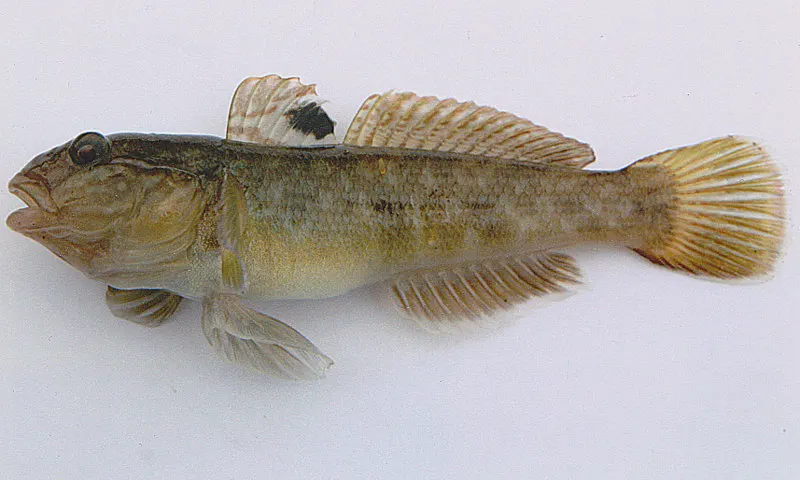
Gobies come from the Black Sea and Caspian basins and spread up the Danube into Slovakia. They have a large head, a cylindrical body and pelvic fins fused into a sucker with which they hold on to stones. You can recognise the round goby by the black spot in the rear part of the first dorsal fin. They live mainly along rocky banks and in stone revetments and displace native bottom-dwelling fish.
The Chinese sleeper (Amur sleeper) comes from the Amur basin. At first glance it resembles a goby, but its pelvic fins are separate and its tail fin is rounded. It lives in overgrown oxbows and canals, survives almost without oxygen and is predatory.
Species with a negative impact
A separate group consists of species that reached our waters through stocking: grass carp and black carp, silver carp and bighead carp, and largemouth bass. Some of them are common and popular sport fish, but the decree does not count them as native.
What applies when you catch one
- Invasive species do not count towards the daily catch limit and are entered in the catch record on a separate line with the species, number and weight.
- If you do not want to keep a retained fish alive, you must kill it humanely. The decree expressly states that this also applies to all invasive non-native species (§ 14(17)).
- Whether you may release an invasive fish back into the water is set by the fishery rules. If you are not sure, ask the fishery operator or a fishing warden.
- Return any fish you cannot reliably identify to the water. Some native species, such as the European bullhead or the western tubenose goby, are protected all year round and at first glance resemble the invasive gobies.
- Never use invasive fish as live bait in another water and never move them between fisheries. That is how they spread fastest.
How to recognise the species and at which fisheries they have already been recorded can be found in the fish catalogue under the Invasive filter. More about fishing rules is in the Fishing law guide, and the full text of the decree is on slov-lex.sk.
Cover photo: Cephas, Wikimedia Commons (CC BY-SA 3.0)
More articles
 Fish and natureTicks, adders and giant hogweed: what to watch out for by the waterAn overview of the animals and plants an angler may meet by the water and how to avoid them. Also about thunderstorms and carbon rods. · 3 min read · Redakcia Rybárstvo.sk
 Portal newsWelcome to the Rybárstvo.sk blogThe blog is a place for stories from the water, experiences from fisheries and portal news. Any signed-in angler can write for it. · 3 min read · Redakcia Rybárstvo.sk
 Guides and tipsHow to use the portal to find out whether it is worth going fishing todayConditions score, water temperature, water levels and the law today: what each figure means and how to read them together. · 3 min read · Redakcia Rybárstvo.sk
Have your own story from the water or a proven method? Write it up and we will publish it under your name.
Leave a comment