
By the water we don't spend time only with fish. Most encounters with nature are pleasant: a heron in the shallows, a kingfisher above the surface, a beaver at the mouth of a stream. With a few animals and plants, however, you need to know how to behave. Details about each of them, including where they occur, are in the Animals and plants by the water catalogue.
Ticks
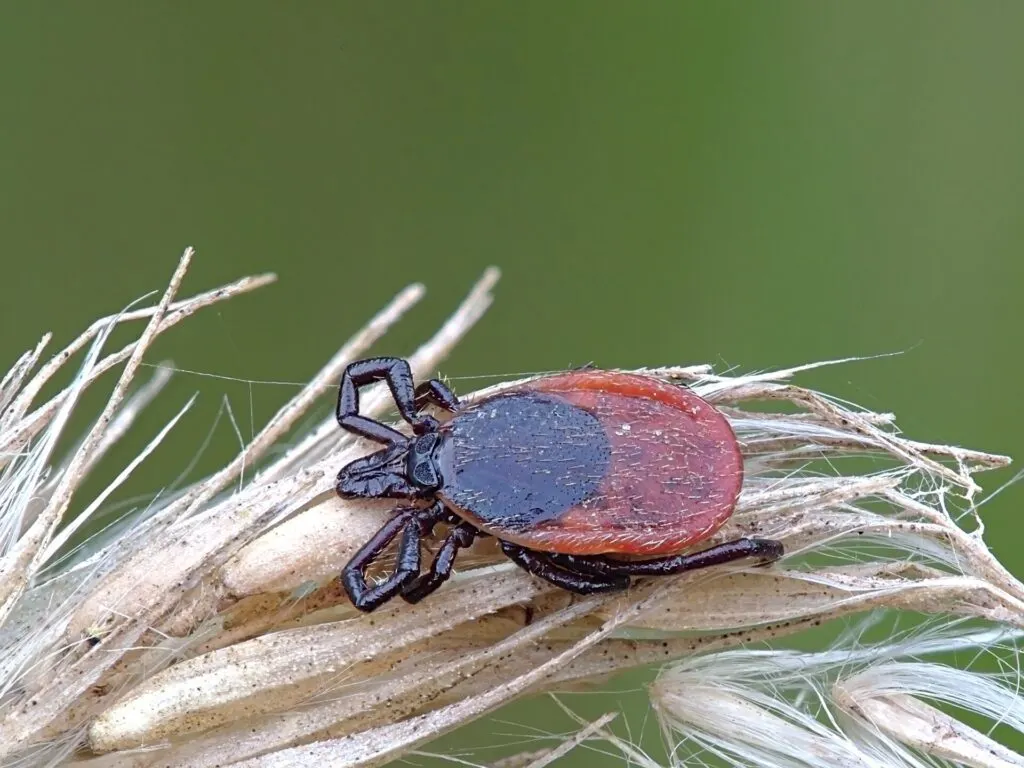
Ticks wait in grass and bushes, especially at forest edges, in bankside vegetation and in unmown meadows. They are active from spring to autumn, and in mild winters even longer. In Slovakia they mainly transmit Lyme disease and tick-borne encephalitis.
- Wear long trousers tucked into your socks and light-coloured clothing on which ticks are easier to see. Use a repellent intended for ticks.
- After fishing, check your whole body at home, especially the backs of the knees, the groin, the armpits, the waist and behind the ears. In children, check the head as well.
- Remove a tick as soon as possible with tweezers or a tick card: grip it close to the skin and pull it out steadily. Do not cover it with oil or cream.
- If in the following weeks a red patch that keeps growing appears around the bite, or you get a fever and headaches, see a doctor.
There is a vaccine against tick-borne encephalitis, but not against Lyme disease. Encephalitis can also be caught from unpasteurised goat's and sheep's milk.
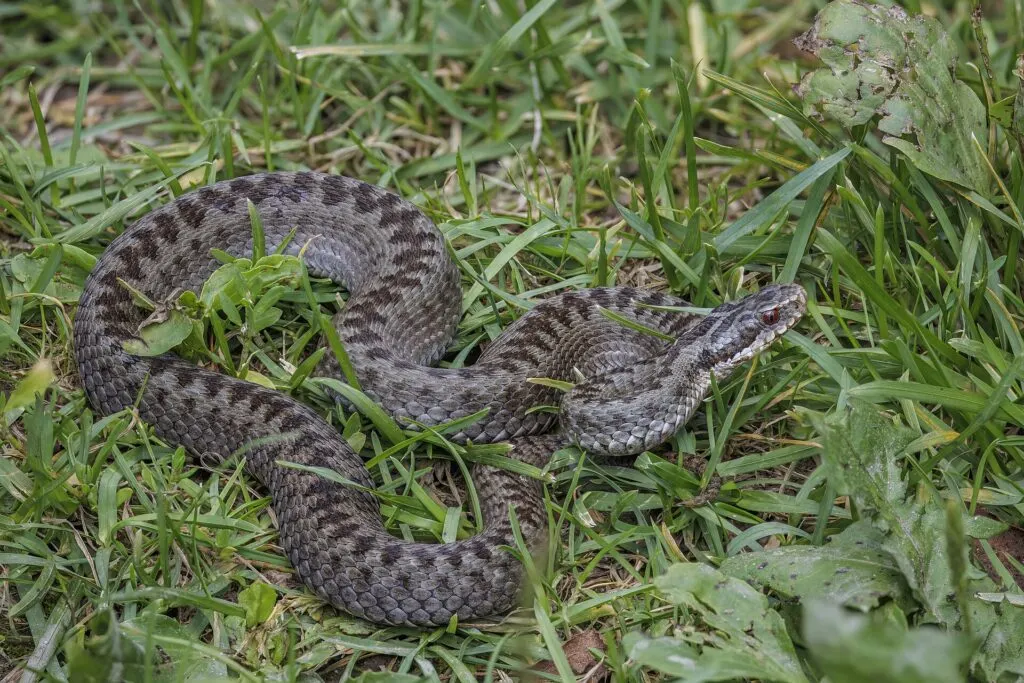
Common viper
It is the only venomous snake that lives in Slovakia. It has a dark zigzag band on its back and a vertical pupil. You will most often meet it on sun-warmed rocky slopes, in peat bogs and at forest edges in the foothills and mountains. By the water people often confuse it with the grass snake, which is harmless and has yellow crescents behind its head.
The adder is shy and bites only when threatened. On rocky banks don't reach between stones with your hands, wear sturdy footwear and watch where you step. After a bite stay calm, keep the affected limb still, take off rings and watches and call 112. Do not cut or suck the wound and do not apply a tourniquet.
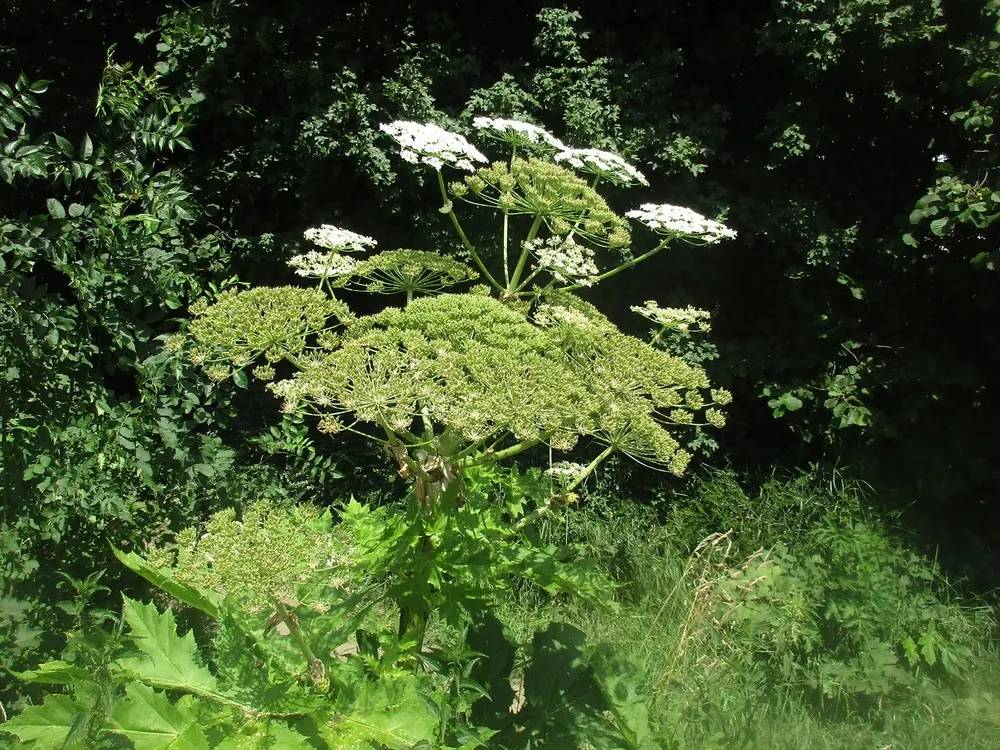
Giant hogweed
An invasive plant from the Caucasus that forms dense stands up to four metres tall on riverbanks, along roads and in damp meadows. You can recognise it by its huge white umbels, its thick hollow stem with purple blotches and its large deeply divided leaves. Its sap contains substances that cause blistering burns on contact with skin and sunlight. They often appear only after a day or two, and the marks on the skin can last for months.
Don't touch it, don't walk through the stands and don't cut it without protection. If sap gets on your skin, wash it off with soap and water and keep the area out of the sun for at least two days. For larger burns or if it gets into your eyes, see a doctor.
Mosquitoes, horseflies and wasps
When fishing still water in the evening and at night, wear long sleeves and use repellent and a head net. Horseflies bite mainly in summer around midday. Watch out for wasps around sweet drinks and groundbait: if you are allergic to stings, carry the medication your doctor prescribed.
Leptospirosis
Leptospirosis bacteria get into the water through the urine of rodents, especially rats. They enter the body through broken skin or mucous membranes. Cover small cuts on your hands while fishing and wash your hands afterwards. If you develop a fever with muscle pain after time by the water, tell your doctor that you have been by the water.
Thunderstorms and power lines
A carbon rod conducts electricity. In a thunderstorm stop fishing, take down your rods and move away from the water, from open ground and from under isolated trees. Never cast under power lines: the current can arc across even without direct contact.
Bears, wolves and wild boar
In mountain fisheries move about noisily and do not leave fish, guts or leftover bait near your tent. If you see a bear, don't run: talk calmly and back away slowly. A wild sow with young can be aggressive, so when night fishing don't camp on game trails leading to the water.
This advice is general and does not replace instructions from a doctor or the emergency services. In an emergency call 112.
Cover photo: Nikita Kulikov, Unsplash (Unsplash License)
More articles
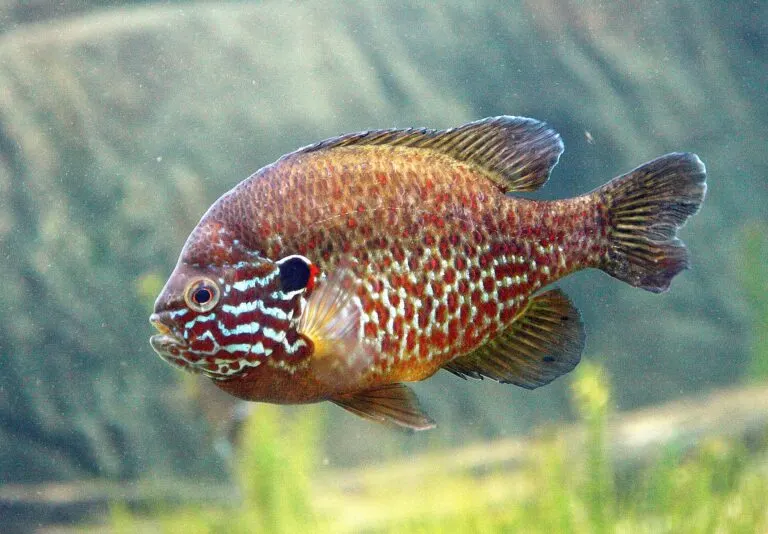 Fish and natureInvasive fish species in Slovakia: how to recognise them and what the decree saysGobies, bullheads, pumpkinseed and topmouth gudgeon: which fish the decree lists as invasive, how to recognise them and what applies when an angler catches one. · 3 min read · Redakcia Rybárstvo.sk
 Portal newsWelcome to the Rybárstvo.sk blogThe blog is a place for stories from the water, experiences from fisheries and portal news. Any signed-in angler can write for it. · 3 min read · Redakcia Rybárstvo.sk
 Guides and tipsHow to use the portal to find out whether it is worth going fishing todayConditions score, water temperature, water levels and the law today: what each figure means and how to read them together. · 3 min read · Redakcia Rybárstvo.sk
Have your own story from the water or a proven method? Write it up and we will publish it under your name.
Leave a comment