Hazard near the water, invertebrate
Castor bean tick
- Records in GBIF
- 746
- Fishing districts near where it occurs
- 1 067
- Most sightings
- October

About the species Castor bean tick
About the species
Transmits tick-borne encephalitis and Lyme disease. It waits in tall grass and in the vegetation along banks.
Where to find it by the water
Tall grass, scrub and forest undergrowth by the banks, mainly from spring to autumn.
What this means for anglers
By a bank with tall grass expect ticks and check yourself after fishing.
How to protect yourself
From spring to autumn check yourself after fishing, use repellent and tuck long trousers into your socks. Remove the tick as soon as possible with tweezers. A vaccine against encephalitis exists.
When it is observed
Records by month in the areas around the fishing districts (GBIF).
- 6Jan
- 5Feb
- 44Mar
- 195Apr
- 171May
- 43June
- 5July
- 14Aug
- 28Sep
- 203Oct
- 23Nov
- 7Dec
In November the species is observed less than in the main season. Most records are from October.
The records come from people's observations and also reflect when and where observers move around. They are not a measurement of numbers or a guarantee of an encounter.
Where it was recorded
Fishing districts around which a record of this species exists. Sorted by number of records.
- Dudváh č. 3 80
- Blava č. 1 80
- Čierna voda č. 1 80
- Čierna voda č. 2 80
- Dudváh č. 1 80
- Dudváh č. 2a 80
- Dudváh č. 2b 80
- Hlavný kanál Csóványos 80
- Jarčie č. 1 80
- Jarčie č. 2 80
- Klátovské rameno č. 2 80
- Malý Dunaj č. 3 80
- Malý Dunaj č. 4 80
- VN Kráľová 80
- Parná č. 1 80
- Radošina č. 1 80
- Váh č. 2 80
- Váh č. 3 80
- VN Báb 80
- Váh č. 4a 80
- Váh č. 4 80
- MR Neded Kopola 80
- MR Vlčany I. 80
- MR Vlčany II. 80
- OR Horný Čepeň 80
- OR Melečka č. 1 80
- OR Melečka č. 2 80
- OR Pasienok 80
- OR Starý les (Aggerdó) 80
- OR Trstice 80
- Rašelinisko Horná Potôň – Lúky – 3 80
- Rašelinisko Pusté Úľany č. 1 80
- Rašelinisko Pusté Úľany č. 2 80
- Rašelinisko P. Úľany č. 3 80
- Rašelinisko Tárnok 80
- Rašelinisko Veľký Grob 80
1,067 fishing districts in total, 36 shown. The number next to a fishing district is the number of records around it. Show on map
More species from the group insects, crayfish and mussels


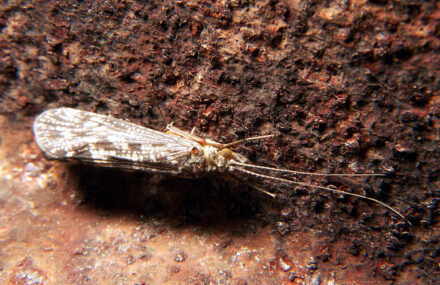


Photo credits
- Castor bean tick: Photo: W.alter, CC BY-SA 4.0, Wikimedia Commons
- Dragonflies: Photo: Paul Balfe, CC BY 2.0, Wikimedia Commons
- Mayflies: Photo: Richard Bartz, Munich aka Makro Freak Image:MFB.jpg, CC BY-SA 2.5, Wikimedia Commons
- Caddisflies: Photo: Bruce Marlin, CC BY-SA 2.5, Wikimedia Commons
- Horseflies: Photo: Bruce Marlin, CC BY-SA 2.5, Wikimedia Commons
- Mosquitoes: Photo: Katja Schulz from Washington, D. C., USA, CC BY 2.0, Wikimedia Commons
- Noble crayfish: Photo: Dragon187, CC BY-SA 3.0, Wikimedia Commons
The advice is general and does not replace the instructions of a doctor, rescuers, the site manager or the fishing regulations. Do not disturb protected species or dismantle their shelters.